Future Homes Standard published
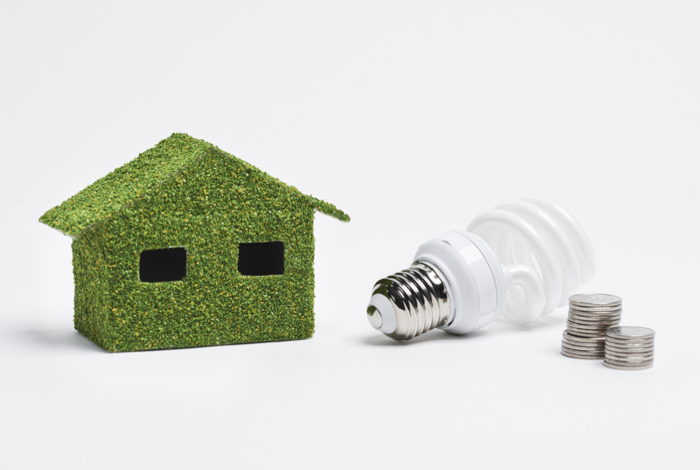
The long-awaited Future Homes Standard (FHS) has been published, paving the way for significant changes to how new homes in England will be built. The Standard aims to ensure that all new homes produce significantly lower carbon emissions and are “future-proofed” for a decarbonised energy grid. The FHS will come into force in 2028, a year later than previously expected[i].
The biggest change will be the effective end of fossil fuel heating in new homes, where gas boilers will be replaced by heat pumps or heat networks, meaning low-carbon heating becomes the default for all new properties. Likewise renewable energy generation will now be mandatory on most new homes (exceptions include high-rise buildings, for example), typically delivered via the use of solar photovoltaic (PV) panels. Developers will need to install solar panels equivalent in size to at least 40% of the building’s floor area. Where this is not possible, a ‘reasonable’ amount of solar must be installed.
According to the government, these new measures could save households up to £830 a year on energy bills, compared with a standard home with an EPC rating of C. These new homes are also expected to create at least 75% less carbon emissions than those built to 2013 standards[ii].
Housing Secretary Steve Reed said: “Building 1.5 million new homes also means building high-quality homes that are cheaper to run and warmer to live in. As we make the switch to clean, homegrown energy, today’s standard is what the future of housing can and should look like. Not only will these changes protect hardworking families from shocks abroad but will also slash hundreds of pounds off their energy bills every year.”[iii]
Plug-in solar to be made available in months
In a further step to boost renewable energy generation the UK government has announced the rollout of “plug-in” solar panels (low-cost panels that families can put on their balconies or outdoor space), with these to be made available in shops over the coming months.
Plug-in solar is already widely used by households across Europe, with Germany seeing around half a million new devices plugged in per year. The free solar power can be used directly through a mains socket like any other device, without an installation cost, thereby reducing the amount of electricity taken from the grid and cutting energy bills. Retailers including Lidl and Iceland, alongside manufacturers such as EcoFlow, are working with the government to enable them to be brought to the UK market.
The announcements have been largely welcomed by those within the industry; Greg Jackson, Founder and CEO of Octopus Energy explained that since the conflict in the Middle East began, interest in solar has increased by 50%, he added that “Every solar panel, heat pump and battery cuts bills and boosts Britain’s energy independence. And the government’s latest steps can help cut the costs of electrification. With solar, many homes can produce and use their own electricity, and cut their bills further by selling the excess back to us.”[iv]
Chris Norbury, chief executive of E.ON UK, said: “Cutting red tape on plug-in solar is an encouraging move and we will help ensure it works alongside, or as part of, whole-home solutions that genuinely empower people to take control of their energy use and cut bills.”[v]
References
[i] Department for Energy Security and Net Zero - GOV.UK
[iii] Government to make 'plug-in solar' available within months - GOV.UK
[iv] Ibid
[v] Ibid