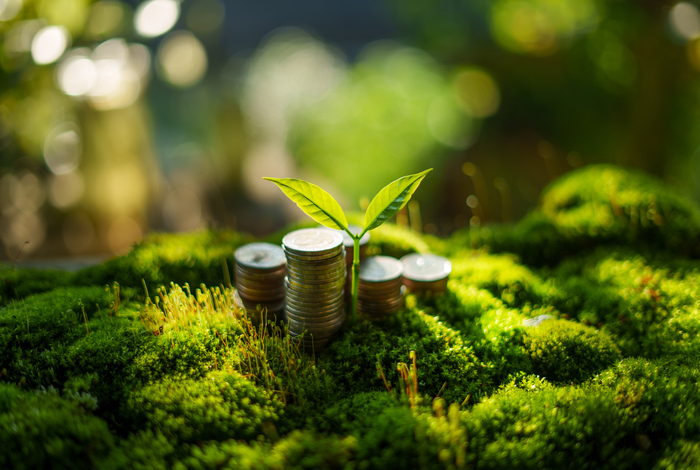
Carbon pricing extends to cover almost a third of global emissions
Collectively, governments raised more than $107 billion last year through the use of direct carbon pricing, according to the latest State and Trends of Carbon Pricing research from the World Bank.
The thirteenth edition of the annual report identified key developments relating to emissions trading systems (ETS) and carbon taxes. The new research found that revenues from carbon pricing tripled over the past decade, growing from just under $30 billion in 2016, to more than $107 billion in 2025. The World Bank reports that direct carbon pricing now covers 29% of global greenhouse gas (GHG) emissions through 87 implemented policies, up from just 12% a decade ago in 2016. Additionally, the average carbon price across implemented instruments has doubled between 2016 and 2026, from $10/tCO2e to nearly $21/tCO2e, driven by ETS price increases. This is also up 7% on last year’s figures[i].
Importantly the data shows that all large middle-income economies have now either implemented, or are planning, direct carbon pricing instruments, with India and Vietnam showing the most significant developments over the past year. Looking ahead, additional countries, including Brazil and Turkey, are preparing policies.
The researchers note that If emissions trading systems and carbon taxes currently under development are fully implemented by 2030, then one-third of global GHG emissions will be covered by carbon pricing. Additionally in a positive sign, the recent adoption of the EU’s Carbon Border Adjustment Mechanism (CBAM) has served to increase interest in implementing both carbon pricing and other border carbon adjustments, despite the scheme presently covering less than 0.5% of global GHG emissions.
Paschal Donohoe, Managing Director and Chief Knowledge Officer, World Bank Group, commented:
“Carbon pricing and carbon markets can play an important role in allowing countries to determine their own energy mix. When designed well, they can help to drive efficiency and innovation, while mobilizing resources for development priorities.”[ii]
Carbon credit issuances rise
The researchers also highlighted the growth in carbon credit markets, where overall issuances rose 8% from 2024 to 2025, however these still remained well below 2022 levels, down by 20%. Yet, on a national scale, governmental crediting mechanisms have increased in number from 24 to 34 over the past 10 years, with credit issuances rising by nearly 40% in 2025 when compared with 2024. Contrastingly, issuances from independent crediting mechanisms decreased by around 4% between 2024 and 2025 but remain around 70% of total credit issuances.
In terms of credit retirements, these declined by more than 10% between 2024 and 2025, with credits used for voluntary purposes dominating at over 80% of the total credits retired in 2025. Looking ahead, roughly $12 billion worth of offtake agreements for future carbon credits were signed in 2025, a three-fold rise from 2024 levels. The World Bank highlights that projects which receive either high ratings from third-party providers or high integrity labels are increasingly sought by buyers in both compliance and voluntary carbon credit markets.
For further information on the carbon credit market, including how businesses can use carbon credits credibly, manage risk, and stay competitive in a carbon‑constrained economy, read ZCA’s recent deep-dive article: Carbon credits & corporate strategy: What businesses need to do now.
References
[i] State and Trends of Carbon Pricing 2026
[ii] State and Trends of Carbon Pricing 2026